


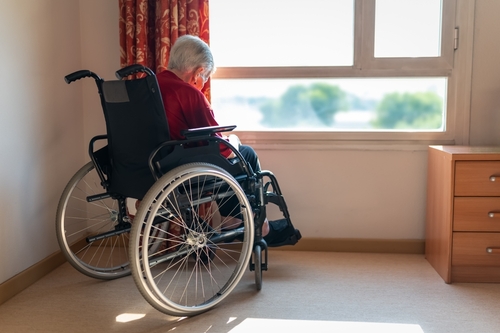
Becoming more frail and susceptible to injury is a natural part of aging. However, nursing homes still have a duty to prevent fractures when possible, and suspicious injuries should be carefully investigated. If your elderly loved one suffered a broken bone in a care facility, consider working with a Peoria, IL nursing home neglect and abuse attorney who can go over your legal options.
At Nursing Home Injury Center, we are prepared to investigate claims of abuse and neglect at a nursing home. We are a small division of a larger firm, which means we provide clients with individualized service while being able to draw upon more resources when needed. Reach out today to learn more about how we can help you seek compensation for a fracture caused by neglect or abuse.
What Are the Common Causes of Broken Bones in Nursing Homes?
Even a minor fall or rough handling can cause serious fractures in older adults. Many of these injuries can be prevented with proper care and supervision.
Improper Lifting
Improper lifting is a leading cause of fractures among nursing home residents with mobility issues. Many residents cannot get in or out of bed, a wheelchair, or a bathtub on their own. Staff must use safe methods to move them. Some residents need two workers or a mechanical lift for each transfer. When a facility is short on staff, one worker may try to do the job alone. A rushed or careless transfer can cause a resident to slip, twist, or fall to the floor.
Wandering and Elopement
Wandering and elopement put residents with dementia or memory loss at serious risk of falls and broken bones. Wandering happens when a resident moves around the facility without supervision. Elopement happens when a resident leaves the building without staff knowing.
A confused resident may walk into a stairwell, a parking lot, or a busy street. Nursing homes should assess each resident’s risk of wandering. They should also use door alarms, regular check-ins, and secure areas when needed.
Unsafe Property Conditions
Unsafe property conditions in a nursing home can cause falls that lead to broken bones. Common hazards include:
- Wet or freshly mopped floors with no warning signs
- Poor lighting in hallways, bathrooms, and rooms
- Loose rugs, cords, or clutter in walkways
- Broken or missing handrails and grab bars
- Beds and wheelchairs with faulty brakes or locks
A resident who uses a walker or cane may not be able to catch themselves after a small slip. The facility is responsible for keeping its building safe, and it can be held liable for any negligent acts that lead to a resident suffering an injury (210 ILCS 45/3-601).
Physical Abuse
Physical abuse is one of the most disturbing causes of broken bones in nursing homes. A staff member, another resident, or a visitor may push, hit, shove, or roughly restrain a resident. An older adult may break a wrist, arm, rib, or hip from a single violent act.
Some victims cannot speak up. They may have dementia, or they may fear what will happen if they report it. Fractures that do not match the facility’s explanation should raise red flags for visiting family members.
What Are the Signs That a Nursing Home Is Covering Up Abuse or Neglect?
Some nursing homes try to hide abuse or neglect instead of admitting what happened. Families should watch for warning signs, such as a delay in notifying relatives about an injury. You might learn about a broken bone days later, or only after your loved one tells you. Another sign is a story that keeps changing. Staff may first say your loved one fell, then later say they bumped into something.
Be alert if staff members avoid your questions or will not let you see your loved one alone. Missing or vague records can also raise concerns. An incident report may be incomplete, or the chart may not mention the injury at all.
Pay attention to changes in your loved one, too. Fear of certain workers, withdrawal, or new bruises can point to a bigger problem. If something feels wrong, trust that feeling and ask for answers in writing. You can also report your concerns to the Illinois Department of Public Health.
What Are the Dangers of a Broken Hip in a Nursing Home?
A broken hip in a nursing home can be life-changing for an older adult. Hip fractures usually need surgery. Recovery is slow and often painful. Many seniors never regain the ability to walk on their own. Some must move from a walker to a wheelchair for good.
Long periods in bed bring their own dangers. Residents who cannot move are at higher risk of bedsores, blood clots, and pneumonia. Some residents also become confused after surgery. A hip fracture can lead to depression and a loss of independence. Research has also linked hip fractures in older adults to a higher risk of death in the year that follows. Fast treatment, proper pain control, and careful follow-up care are critical. When a nursing home ignores signs of a hip fracture or delays treatment, the harm can become much worse.
What Evidence Should You Document After a Loved One Suffers a Broken Bone in a Nursing Home?
Documenting evidence after a loved one suffers a broken bone in a nursing home can help protect their rights. As soon as you learn about the injury, take clear photos of any bruises, swelling, casts, or cuts. Also photograph the room, the bathroom, and any hazards you notice, such as wet floors or broken rails.
Write down what staff members tell you about how the injury happened. Keep dated notes on your own visits and any changes in your loved one’s health or mood. Ask the facility for a copy of the incident report. Request your loved one’s medical records from the nursing home and the hospital. X-rays and doctor notes can show the type of fracture and how it may have happened.
Get contact information from family members of other residents or visitors who saw something. Save emails, texts, voicemails, and bills linked to the injury. Do not sign any papers from the facility without talking to an injury lawyer first.
Contact Our Peoria County, IL Nursing Home Injury Attorneys
A broken bone can take away an older adult’s comfort, mobility, and sense of safety. At Nursing Home Injury Center, we investigate how these injuries happen and pursue accountability from facilities that fail their residents. Contact our Peoria, IL nursing home abuse lawyers or call 309-524-6900 to arrange a free initial consultation.
