


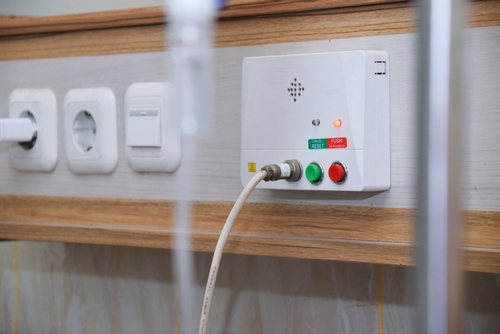
Call lights play a critical role in nursing home safety, giving residents a clear line of communication with staff when something goes wrong. However, this system relies on nursing home staff answering call lights in a timely manner. If you believe that your elderly loved one was left unattended for too long after turning on a call light, contact a Peoria, IL nursing home neglect attorney.
At Nursing Home Injury Center, we have experience investigating claims of neglect in nursing homes. When you work with our team, you will receive all of the individual attention you would get from a small team while retaining all the benefits and resources of a large firm, as we are a smaller division of a greater firm.
What Kind of Injuries Can Occur When Nursing Home Staff Don’t Answer Call Lights?
Call lights exist for a reason. A resident who needs help getting to the bathroom, changing position, or getting water can suffer real harm while waiting for someone to show up.
Advanced Bed Sores
Bed sores form when a person stays in one position for too long. Pressure cuts off blood flow to the skin, and tissue starts to break down. Staff are supposed to reposition residents on a regular schedule and respond quickly when someone asks for help moving.
If call lights go unanswered, a resident may stay in the same spot for hours. Over time, a small red mark can turn into an open wound that reaches muscle or bone. Advanced bed sores are painful, slow to heal, and often lead to serious infections.
Falls
Many residents need help getting out of bed or moving across a room. If a call light goes unanswered, a resident may try to get up alone rather than wait any longer. This is one of the most common ways falls happen in nursing homes. A fall can cause a broken hip, a head injury, or a spinal injury. For older adults, these injuries often lead to long hospital stays and a permanent loss of mobility.
Malnutrition
Some residents cannot eat or drink without help. If they press a call light because they need assistance with a meal or a glass of water, and nobody responds, they may go without food or fluids for long stretches. Over time, this leads to malnutrition and dehydration. Both conditions weaken the body, slow healing, and make residents more likely to develop other health problems.
Infections
Ignored call lights often mean delayed help with hygiene needs, wound care, or catheter changes. Bacteria can build up quickly when these needs are not addressed. Untreated infections can spread through the body and become life-threatening, especially in older adults with weaker immune systems. Urinary tract infections and infected bed sores are two of the most common results of delayed care.
Why Do Nursing Home Call Lights Go Unanswered?
Call lights go unanswered for a few common reasons, and most of them point back to how a facility is run. Understaffing is one of the biggest causes. When a nursing home does not have enough staff on a shift, each worker is responsible for more residents than they can reasonably manage. A single staff member may be pulled in several directions at once, and something has to wait. Too often, that something is a call light.
Poor training can also play a role. Staff who are not properly trained may not understand how urgent a resident’s request is, or how quickly certain conditions like bed sores and dehydration can develop. Some facilities also use faulty scheduling practices, cutting staff during night shifts when fewer people are watching residents.
Can a Nursing Home Be Held Liable for Broken or Faulty Call Lights in 2026?
Nursing homes in Illinois have a legal duty to provide residents with adequate care and a safe living environment. The Illinois Nursing Home Care Act sets standards for resident treatment and gives residents the right to file a claim when those standards are not met. This applies to problems caused by broken or faulty call light systems.
If a facility knew about a broken call light and failed to fix it, that failure can support a claim. The same is true if a facility ignored repeated complaints about slow response times. A nursing home cannot avoid responsibility just because the injury resulted from a mechanical problem rather than a staff member’s direct action. The facility is still responsible for keeping its equipment in working order and making sure residents can call for help when they need it.
An attorney can review maintenance records, staffing logs, and internal complaints to determine whether the facility knew about the problem and failed to act.
How Much Is a Nursing Home Neglect Claim Worth?
The value of a nursing home neglect claim depends on several factors. Medical expenses are often a major part of the claim, including hospital stays, surgery, wound care, and ongoing treatment. If the neglect led to a permanent injury or a shortened life expectancy, that can also affect the value of the claim.
Pain and suffering is another factor. Residents who suffer from advanced bed sores, broken bones, or serious infections often endure months of pain and reduced quality of life. In cases involving wrongful death, family members may be able to recover damages for the loss of their loved one.
Every case is different, and no attorney can promise a specific outcome. A thorough review of medical records, facility policies, and staffing patterns is often needed to fully understand what a claim may be worth. Our firm can help you negotiate for fair compensation, and if needed, proceed to litigation on your behalf.
Contact a Peoria County, IL Nursing Home Injury Attorney
If you believe a loved one was harmed because nursing home staff failed to respond to call lights, reach out to a skilled law firm for help. Contact our Peoria, IL nursing home neglect lawyers at Nursing Home Injury Center to talk about what happened and learn about your legal options. Call 309-524-6900 today to schedule a free consultation.
