


Dehydration is a serious health concern, especially for elderly nursing home residents. The body’s ability to conserve water diminishes with age, making older adults more susceptible to the adverse effects of dehydration. This condition can worsen existing health problems and lead to severe complications, including hospitalization and even death. Awareness of the warning signs of severe dehydration is important for families and caregivers to ensure their elderly loved ones receive proper care. If appropriate care is not taking place, a Peoria County, IL nursing home neglect lawyer can review what happened and advise you on whether you have a case.
At Nursing Home Injury Center, we stand up for neglected nursing home residents and their families. We have recovered millions of dollars from successful claims, as we conduct detailed investigations to support our clients.
Three Warning Signs of Dehydration in Elderly People
Dehydration can be life-threatening for older adults. Aging changes how the body works. Many elderly people do not feel thirsty as often. Their kidneys may not work as well, either. Some take medicines that make them lose fluid faster.
Many residents also need help getting water. Mobility problems can keep them from walking to a sink or reaching a cup. Memory loss or confusion can make it hard to ask for a drink, or even realize that they need one. In long-term care facilities, keeping residents hydrated should be a top priority.
Warning Sign #1: Dry Mouth and Skin
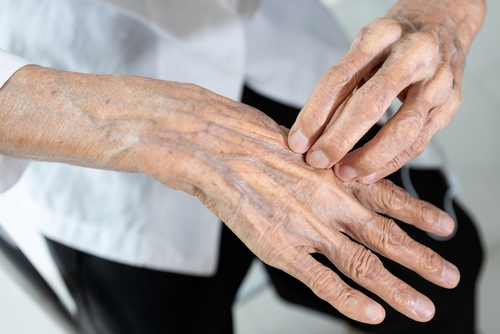
One of the earliest and most noticeable signs of dehydration is dry mouth and skin. If a nursing home resident’s lips, tongue, and skin appear strangely dry or cracked, it could indicate he or she is not getting enough fluids. The skin may lose elasticity, and a simple “pinch test” – where the skin is pinched and should quickly return to its normal position – can help identify dehydration. Slow return of skin to its normal position warrants immediate medical attention.
Warning Sign #2: Dark Urine and Infrequent Urination
Urine color and frequency are reliable indicators of hydration. Dark urine and infrequent urination are signs that the body is trying to conserve water due to insufficient intake. Nursing home staff should monitor urine output and color as part of routine care. Ensuring residents have easy access to bathrooms and providing assistance when necessary can help prevent dehydration from setting in.
Warning Sign #3: Confusion and Lethargy
Severe dehydration can cause significant changes in mental status, including confusion, irritability, and lethargy. These symptoms can mistakenly be attributed to dementia or other cognitive impairments common in elderly people. However, sudden changes in mental clarity are often due to underlying medical issues, such as dehydration. Families and caregivers should be vigilant and advocate for medical evaluation, especially if a resident suddenly exhibits these symptoms.
Top Causes of Dehydration in Nursing Homes in 2026
Heat is a major factor in dehydration. Summer temperatures in Illinois can sometimes climb above 90 or even 100 degrees Fahrenheit. Facilities without proper air circulation or cooling place residents at higher risk. A resident who is already frail can become dehydrated quickly during a heat wave.
Fever and illness also play a role. Infections, including respiratory illnesses and urinary tract infections, can cause fluid loss. Diarrhea and vomiting increase that loss. If staff members do not monitor intake and output closely, dehydration can follow.
Certain medications raise the risk. Diuretics, laxatives, and some blood pressure drugs can cause fluid loss. A proper care plan should account for this. Staff should offer extra fluids and document how much a resident drinks.
Mobility limits matter as well. A resident who cannot lift a cup or press a call button may sit for hours without water. When staffing is low, routine hydration rounds may be skipped. Over time, that neglect can lead to kidney injury, confusion, falls, and hospitalization.
Evidence of Dehydration in Nursing Homes
Nursing homes often deny wrongdoing when dehydration occurs, blaming preexisting conditions or other causes. Strong documentation is critical for accountability in these cases.
Medical records can tell part of the story. Lab results may show elevated sodium levels or abnormal kidney function. Nursing notes may reveal sudden weight loss, dry skin, or confusion. Intake and output charts should reflect how much a resident drank each day. Gaps in those logs can raise concerns.
Witness statements can serve as compelling evidence as well. Family members may recall dry lips, cracked skin, or complaints of thirst. Other residents or former staff may describe skipped water rounds or call lights left unanswered. Photographs of dry mouth, sunken eyes, or IV fluids in the hospital may also help.
Staffing schedules and timecards can also provide context. If one aide was responsible for too many residents, basic care may have suffered. Emails or internal reports about staffing shortages can further support a claim.
Taken together, these records can show a pattern. Dehydration rarely happens in a single moment. It usually reflects days of missed care.
Is Understaffing a Legal Excuse for Neglect in Care Facilities?
Understaffing is common in long-term care, but it is not a legal justification for harm done to residents. Illinois law requires nursing homes to provide adequate care to maintain the highest possible well-being of each resident (210 ILCS 45/2-101). That duty includes proper hydration.
Facilities accept residents knowing their medical needs. They receive payment to provide daily care, including meals and fluids. If they fail to hire enough trained staff, that decision rests with management.
Courts often look at whether the facility met the standard of care. If staff members were too overwhelmed to offer regular hydration, that may support a finding of negligence. Budget limits do not excuse harm.
Contact Our Peoria County, IL Nursing Home Negligence Attorneys
Dehydration is a preventable condition that poses a significant risk to nursing home residents. Families and caregivers must be alert to the warning signs, as acting promptly after such signs are noticed is important for ensuring a dehydrated loved one gets the help he or she needs, both physically and legally. For legal assistance, contact the Peoria, IL nursing home negligence lawyers with Nursing Home Injury Center. Call 309-524-6900 to schedule a free consultation.
