


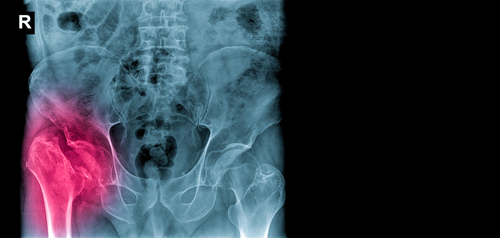
Falls sometimes happen in nursing homes. They are a sad but normal part of aging, and not every fall means the staff did something wrong.
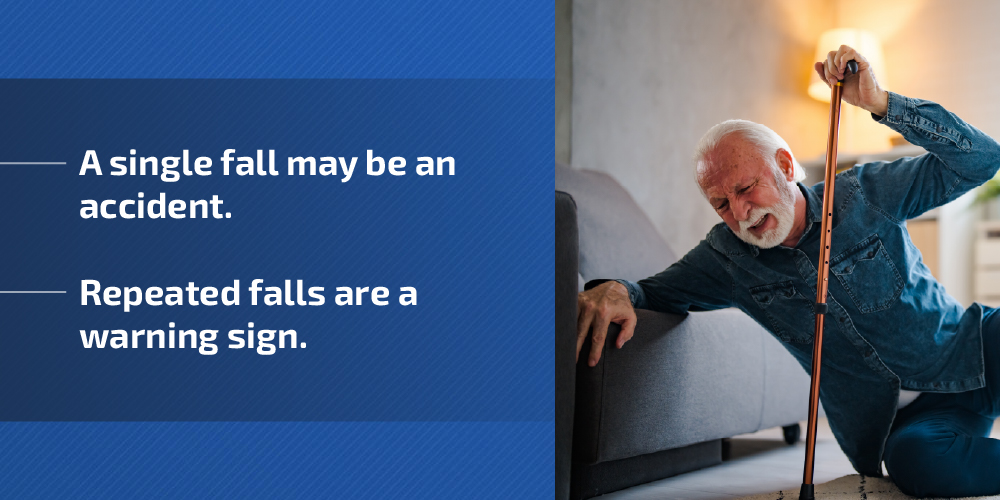
But when your loved one falls again and again, something is not right. When they break their hip or fracture their arm, you need to ask hard questions. These injuries often point to serious problems with how the nursing home operates.
The Department of Health and Human Services estimates that nursing homes do not report half of serious falls among Medicare-enrolled residents. When nursing homes ignore fall risks or leave residents without help, they are not just careless. They are committing neglect.
If your loved one is in a Peoria nursing home in 2026 and you are worried they are being abused or neglected, we can help. Our Peoria nursing home injury lawyers know Illinois law requires nursing homes to keep residents safe. When nursing homes fail, we support families as they take legal action.
Why Are Falls So Dangerous for Elderly Residents?
Young kids fall all the time with no problems. Young and even middle-aged adults are able to recover quickly from fall-related injuries. But for older adults, falls can be a dangerous and even fatal problem.
Bones Break Easily
Osteoporosis makes bones fragile. A fall that might bruise a younger person can shatter an elderly person’s hip, wrist, or spine. Even minor falls can cause skull fractures or brain bleeding.
One Fall Leads to Another
After someone falls once, they follow a classic pattern. They get scared, they move less, and their muscles get weaker. Then they fall again. It becomes a vicious cycle that often ends with the person becoming bedridden.
What Causes Falls in Nursing Homes?
Some falls are genuine accidents, but most could be prevented if staff do their jobs correctly. Some of the most common reasons that elderly residents of nursing homes fall and get injured include:
Dangerous Conditions
Walk through any poorly run nursing home and you will see hazards everywhere:
- Wet, slippery floors
- Dark hallways with burned-out lights
- Wheelchairs and equipment blocking walkways
- Torn carpet that catches feet
- Broken handrails in bathrooms
- Spills that sit for hours
Not Enough Staff
This is the biggest single cause of nursing home injuries, abuse, and neglect. Take a common example: An elderly man needs help getting to the bathroom, but there are only two aides for 40 residents. He pushes his call button and waits for over half an hour.
Finally, he cannot wait anymore. He tries to walk to the bathroom alone, but he falls and breaks his hip. The nursing home might say he “got up without assistance.” A good attorney can find out that what they really mean is nobody came to help him.
Medication Problems
Some medications make people dizzy or drowsy. For example, some blood pressure drugs can make someone lightheaded when they stand up. Nursing homes know this and need to watch residents who take these medications closely. Unfortunately, this often doesn’t happen.
Missing or Broken Equipment
If a resident needs a walker to move safely or a handrail to stay upright in an elevator, the nursing home needs to provide these things. But if a resident instead gets a walker with a broken wheel and a loose elevator handrail, they can fall and get badly hurt.
What Do Lawyers Look For in Nursing Home Injury Cases?
A good lawyer takes the time to look at every possible source of information after a resident falls and gets hurt in a nursing home. These include, but are not limited to:
Fall Risk Assessments
Federal regulations require nursing homes to check every resident’s fall risk when they are admitted. For high-risk residents, facilities must have specific care plans to prevent falls.
When you work with Nursing Home Injury Center, we review these assessments carefully to see if the nursing home properly evaluated your loved one. We also examine whether they actually followed through on the care plan they created. Often, the paperwork shows the facility knew your loved one was at high risk for falling but took no meaningful action to protect them.
Incident Reports and Medical Records
A nursing home injury lawyer will look for every incident report related to your loved one’s falls, not just the most recent one. Then they compare these reports to medical records, nursing notes, and other documentation.
Sometimes the incident report says one thing, but the medical records tell a different story. Sometimes critical documentation is missing entirely. These gaps often indicate that staff members are falsifying records or trying to cover up what really happened.
Staffing Records
Understaffing is one of the leading causes of preventable falls in nursing homes. An attorney can subpoena staffing schedules and payroll records to see exactly how many nurses and certified nursing assistants were on duty when your loved one fell.
We compare these numbers to Illinois minimum staffing requirements. In many cases, facilities are operating with dangerously low staff numbers. Some Peoria nursing homes run at half the staff they actually need, particularly during night shifts and weekends when families are less likely to be visiting.
State Inspection Reports
The Illinois Department of Public Health conducts periodic inspections of all nursing homes and investigates complaints filed by families. These inspection reports document violations, deficiencies, and problems the state has identified.
Your lawyer will pull inspection reports going back several years. Many times, falls are a recurring issue at the facility. The state cites the nursing home, the nursing home submits a plan of correction promising to fix the problems, but nothing actually changes and residents keep falling.
Witness Statements
Attorneys will conduct thorough interviews with anyone who knows your loved one. This might include:
- Family members who visited regularly
- Other residents who witnessed conditions at the facility
- Current or former staff members willing to speak honestly about what happens behind closed doors
Staff members who left the facility are often the most valuable witnesses. They no longer fear retaliation and can provide honest accounts of problems that contribute to falls.
Expert Testimony
Good attorneys will work with experienced nursing experts, geriatric physicians, and other medical professionals who specialize in long-term care standards. These experts review all the evidence and give professional opinions about whether the nursing home met the standard of care.
When necessary, experts can explain to judges and juries what the facility should have done differently and how their failures directly caused someone’s injuries. Expert testimony is often the most powerful evidence in nursing home neglect cases.
Contact a Peoria, IL Nursing Home Injury Lawyer
If you think you might need help from a Peoria County nursing home attorney, call Nursing Home Injury Center today. We are a small division of a large firm and we offer personal attention with significant backing and resources. Call 309-524-6900 to get started. We offer free consultations.
