


Kidney failure is a serious medical complication with the potential to cause death. Older populations are more vulnerable to kidney failure since the body’s functioning becomes less efficient with age. However, negligent nursing homes will sometimes pin preventable complications on “old age” to avoid responsibility. If you suspect that your loved one has suffered from poor care in a long-term care facility, reach out to a Peoria County, IL nursing home neglect attorney today.
At Nursing Home Injury Center, we have the resources and skills to investigate preventable kidney failure in nursing homes. As a small division of a much larger firm, we provide clients with personal attention, thoroughly investigating each case.
What Is Kidney Failure?
Kidney failure (also called renal failure) means the kidneys are not cleaning the blood well enough to keep the body functioning properly. Waste and extra fluid can build up. A person may feel weak, confused, sick to the stomach, or unusually tired. Urine output may drop, and swelling can appear in the legs, hands, or face.
Kidney failure can happen fast, over hours or days. Doctors often call this acute kidney injury. It can also happen slowly, after months or years of chronic kidney disease.
Older adults have less kidney “reserve” than younger people. Many also live with diabetes, high blood pressure, heart disease, or repeat infections. The Centers for Disease Control and Prevention reports that chronic kidney disease is more common in people age 65 or older, affecting about 34% of that age group. That matters because chronic kidney disease can progress and set the stage for kidney failure.
Five Possible Causes of Renal Failure in Nursing Homes
Dehydration
Dehydration is a major cause of sudden kidney stress. When a resident does not drink enough, blood flow to the kidneys can drop. Dehydration can follow vomiting, diarrhea, fever, or poor appetite. It can also happen when a resident needs help drinking and goes a long time without receiving assistance. Staff should track fluids and respond to dry mouth, dark urine, dizziness, and sudden weight loss.
Exposure to Infections
Infections can push a frail resident into kidney failure. A urinary tract infection can spread upward and inflame the kidneys. Other infections can turn into sepsis, which can shut organs down. Nursing homes should respond fast to new confusion, fever, pain with urination, or sudden weakness. Delays in testing or treatment can lead to rapid decline.
Errors in Medication
Some medications can harm the kidneys, especially in older adults. When nursing home staff administer incorrect doses or dangerous drug combinations, the risk of kidney failure can increase dramatically. Facilities should keep accurate medication records and monitor for side effects.
Falls
A serious fall can start a chain reaction. A resident may bleed, stop eating and drinking from pain, or develop complications after lying on the floor too long. Falls can also lead to surgery or strong medications that strain the body. Nursing homes should assess fall risk, answer call lights, and supervise residents who are unsteady. A preventable fall is often a warning sign of poor staffing or poor supervision.
Improper Treatment of Diabetes
Diabetes can damage the kidneys over time, and it can also cause sudden crises. Very high blood sugar can cause dehydration and raise infection risk. Very low blood sugar can lead to falls. Nursing homes should follow the care plan for blood sugar checks, insulin timing, meals, and signs of trouble. Poor diabetes care can push a resident closer to renal failure.
Wrongful Death Cases Resulting from Kidney Failure
Kidney failure can be fatal, especially when it is tied to dehydration, infection, or untreated complications. Families often say they would have acted sooner if they had understood what the warning signs meant.
When negligence contributes to a death, a wrongful death claim may be possible under Illinois law (740 ILCS 180/1). These cases often focus on the timeline. Did staff document signs of dehydration, infection, or medication problems? Did they call a doctor, order labs, or send the resident out for emergency care? When the answers point to delay or inaction, the facility may be held accountable.
What if a Nursing Home Blames Renal Failure on Old Age?
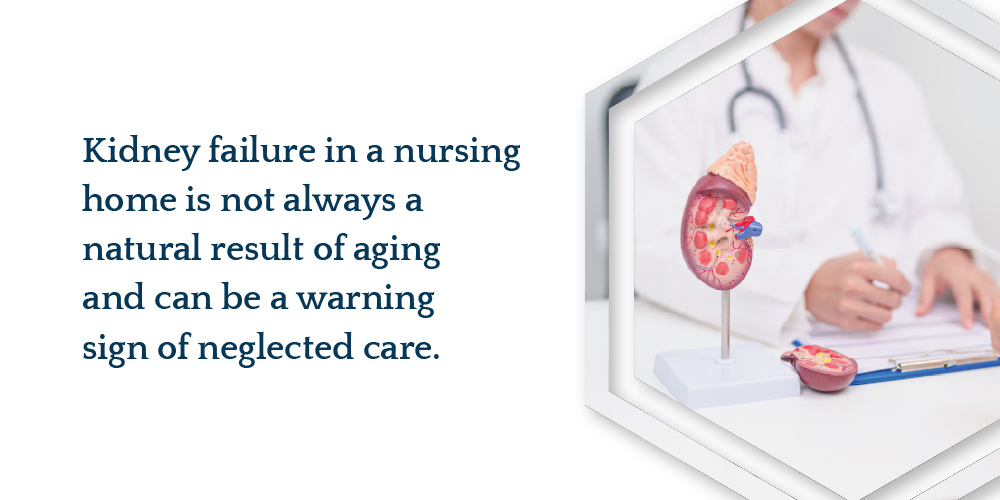
Facilities often claim that renal failure was “inevitable” because the resident was old or already sick. Age does raise risk, but it does not excuse neglect. Older residents still deserve hydration support, infection control, safe medication practices, and basic monitoring.
This is also why it is important to speak with an attorney early. Records can go missing. Video footage can be overridden. Staff can leave, and memories fade. Early legal intervention helps preserve evidence and reduces the chance that you are pressured into accepting a quick explanation.
Building a Nursing Home Injury Claim in 2026
A strong claim is built on detailed documentation. Our firm can look for the gap between what the care plan required and what the nursing home actually did. Evidence can include medical charts, nursing notes, vital signs, intake and output logs, weight records, lab results, and hospital records. We often review medication administration records, pharmacy logs, and incident reports. If a fall happened, we also look at fall risk assessments and staffing levels.
Families can help by saving photos, written notes, and messages that show rapid decline, swelling, confusion, or other changes. Keep copies of complaints you made to the facility, with names and dates.
Once we gather the evidence, we can present a demand that explains the harm and the costs. Depending on the case, that may include medical bills, added care needs, pain and suffering, and, in fatal cases, funeral costs and the family’s losses. We handle negotiations so that you can focus on your loved one.
Contact a Peoria, IL Nursing Home Neglect Attorney
Kidney failure can move fast. If you believe a nursing home’s neglect played a role, request records right away and start documenting what you observe. A Peoria County, IL nursing home injury lawyer can help you investigate a care facility and advise you of your best course of action. Call Nursing Home Injury Center at 309-524-6900 today to set up a free consultation.
